Have you ever asked yourself what your posture reveal about your behavior? Body analysis seeks to explain how our physical traits and gestures reflect deeper psychological patterns.
Whether you’re new to this field or already familiar with behavioral analysis, this complete guide will give you valuable insights.
Keep reading to discover the real power of behavioral body analysis. By the end, you’ll know how to apply these insights in daily life.
Why Study Body Analysis
Character traits body analysis gives you an unspoken dimension of communication, helping in personal relationships.
Even HR managers and recruiters can use body analysis in interviews, gaining deeper insights into candidate personalities.
This skill reduces misunderstandings and helps build trust, because you’re responding not just to words but also to what the body communicates.
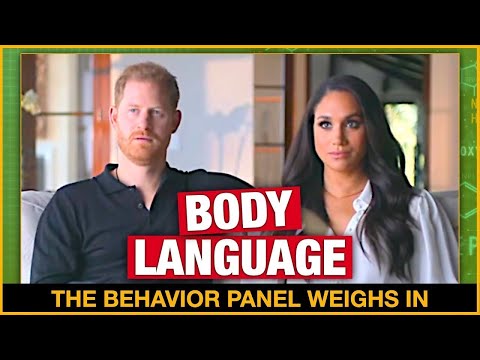
Methods of Behavioral Body Analysis
There are several approaches within character traits body analysis, each focusing on different aspects of the human body. One popular method examines physiognomy to infer behavioral patterns.
Behavioral body analysis also includes subtle movements, which can reveal momentary emotions even when someone tries to hide their feelings.
Practicing multiple types of body analysis can give you a more complete picture of someone’s character and emotional state.

How to Apply Body Analysis
Applying behavioral body reading in real life starts with observation. Begin by noticing gestures in different contexts.
Therapists use posture and body language to assess emotional openness.
This skill deepens empathy because it encourages listening beyond words.
Misconceptions in Body Analysis
For example, crossed arms might signal defensiveness, but could also mean someone is simply cold or tired.
People are shaped by culture, upbringing, and experiences that go beyond physical form.
A third misunderstanding is that body analysis is only useful for professionals like psychologists or detectives. In truth, these skills benefit anyone seeking better communication and awareness.
Understanding “The Body Explains” Method
It’s used by therapists to help people understand why they react certain ways and how to unlock hidden emotional blocks.
This approach isn’t about fixed rules but about noticing patterns and opening dialogue around them.
This integrative method links body awareness, offering a holistic view of human development.
Respectful Practice of Behavioral Body Analysis
It’s important to approach body reading as a tool for empathy and understanding, not as a weapon for persuasion or power.
Another ethical guideline is to contextualize observations. A behavior or posture in one culture may mean something very different elsewhere.
Ethics in behavioral body analysis means creating a safe, respectful environment where observation fosters growth, not shame.
Developing Body Reading Skills
Keep a journal to record patterns you observe, linking them to possible emotions or attitudes.
Reading books or attending workshops on body language provides structured knowledge and frameworks.
As you develop body analysis skills, aim to balance observation and empathy.

Final Thoughts on Body Analysis
From observing facial cues to linking body structure with personality, this skill enriches both personal and professional life.
Each pathway invites us to notice the wisdom carried in our bodies and how it shapes interactions.
If you’re ready to start exploring, consider observing people intentionally.
Frequently Asked Questions About Behavioral Body Analysis
How do you define body analysis?
Body analysis is the practice of observing physical traits, posture, gestures, and movements to gain insights into personality, emotions, and behavioral patterns.
Do you need special skills to practice body analysis?
Like any skill, body analysis improves with experience, study, and reflection over time.
Does body analysis always reveal the truth?
No single gesture or trait offers complete truth; ethical practice involves humility and openness to complexity.
How can I use body analysis professionally?
Yes, body analysis has applications in coaching, therapy, HR, leadership, and sales.
What’s the difference between body analysis and body language reading?
Both overlap but body analysis may explore deeper character patterns linked to the body’s form.
veja o site psicologia leitura corporal